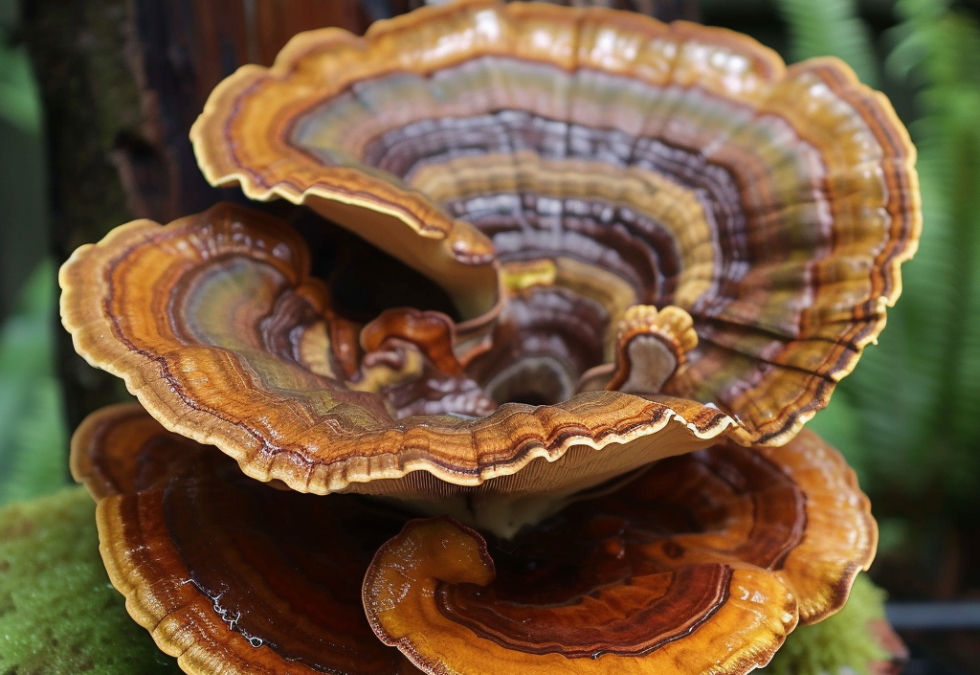
Lingzhi, scientifically known as Ganoderma sichuanense and also referred to as reishi or Ganoderma lingzhi, is a revered polypore fungus native to East Asia. It belongs to the genus Ganoderma and is easily recognized by its reddish-brown, varnished, kidney-shaped cap, often banded and supported by a peripheral stem that gives it a fan-like appearance. Unlike gilled mushrooms, reishi releases spores through fine yellow pores on its underside and has a soft, cork-like texture when fresh.
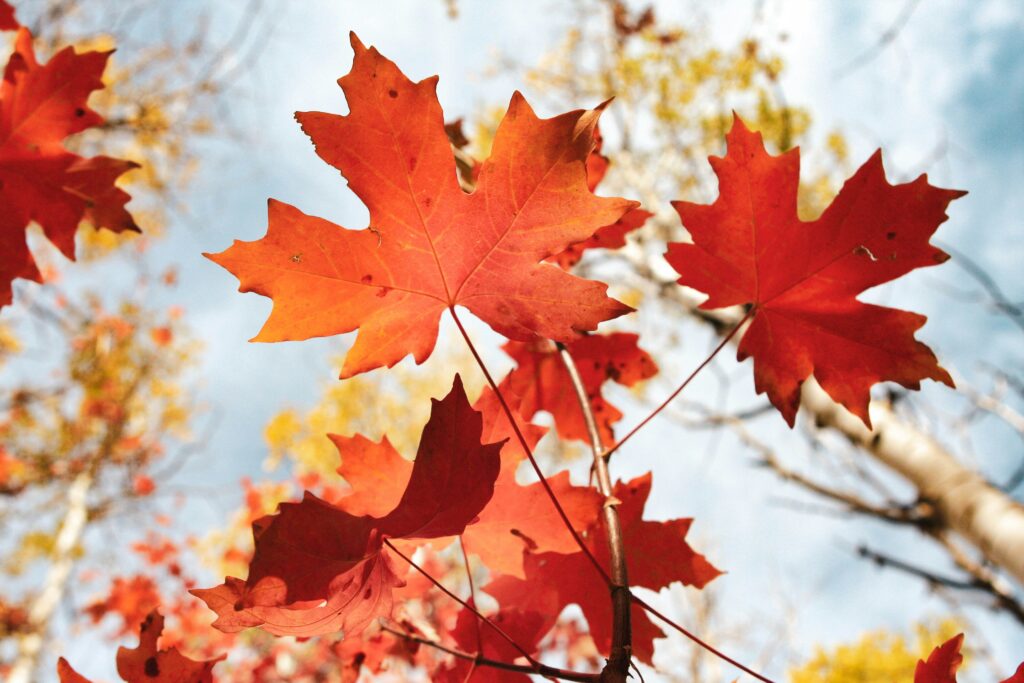
Lingzhi typically grows at the base or stumps of deciduous trees such as maples, though it is rarely found in the wild—naturally occurring on only two to three trees per 10,000. However, advances in cultivation have made reishi widely available, often grown on hardwood logs, sawdust, or woodchips. Since the early 1970s, commercial cultivation has enabled its broader use in food, medicine, and skincare.
Historically known as the “mushroom of immortality,” reishi has been used in traditional Asian medicine for over 2,000 years, with archaeological evidence of its use dating back to Neolithic China around 6,800 years ago. It has long been celebrated for its potential to promote longevity, vitality, and resistance to illness.
Today, reishi mushrooms are used not only as dietary supplements but increasingly in topical skincare. Once harvested, the mushroom is dried, ground, and processed into various forms, including capsules, teas, soups, and skincare products such as creams and serums. Beyond its traditional roles, reishi has found novel applications in fields like sustainable construction through the development of mycelium bricks.
In dermatology and skincare, reishi mushrooms offer an impressive array of benefits. Rich in antioxidants such as ergothioneine and reduced glutathione, they help combat oxidative stress and prevent premature aging caused by free radical damage and UV exposure. Their adaptogenic properties also extend to the skin, helping to soothe inflammation, reduce redness, and support the skin’s ability to recover from stress.
Reishi is also known for its deep hydrating effects, thanks to its high concentration of polysaccharides. These natural humectants draw moisture into the skin, reinforcing the skin barrier, minimizing fine lines, and promoting a smoother, more radiant complexion.
Importantly, reishi mushrooms have shown potential in reducing hyperpigmentation and fading acne scars. They inhibit tyrosinase, an enzyme involved in melanin production, which helps to even out skin tone and diminish dark spots over time.
Due to their immunomodulatory properties, reishi mushrooms are generally well-tolerated across all skin types, including sensitive skin. They are less likely to trigger irritation or allergic reactions. However, individuals who are pregnant, breastfeeding, or have medical conditions such as hypotension or bleeding disorders should consult a healthcare provider before using reishi supplements, as research on certain systemic effects remains limited.
For topical use, reishi-based products are considered both safe and beneficial when incorporated into a regular skincare routine. They can be applied in the form of serums, creams, or lotions, ideally layered correctly to maximize absorption and efficacy.
With a legacy rooted in traditional medicine and growing scientific validation, reishi mushrooms have emerged as a multifunctional ingredient in modern dermatology—bridging ancient wisdom with contemporary skincare science.