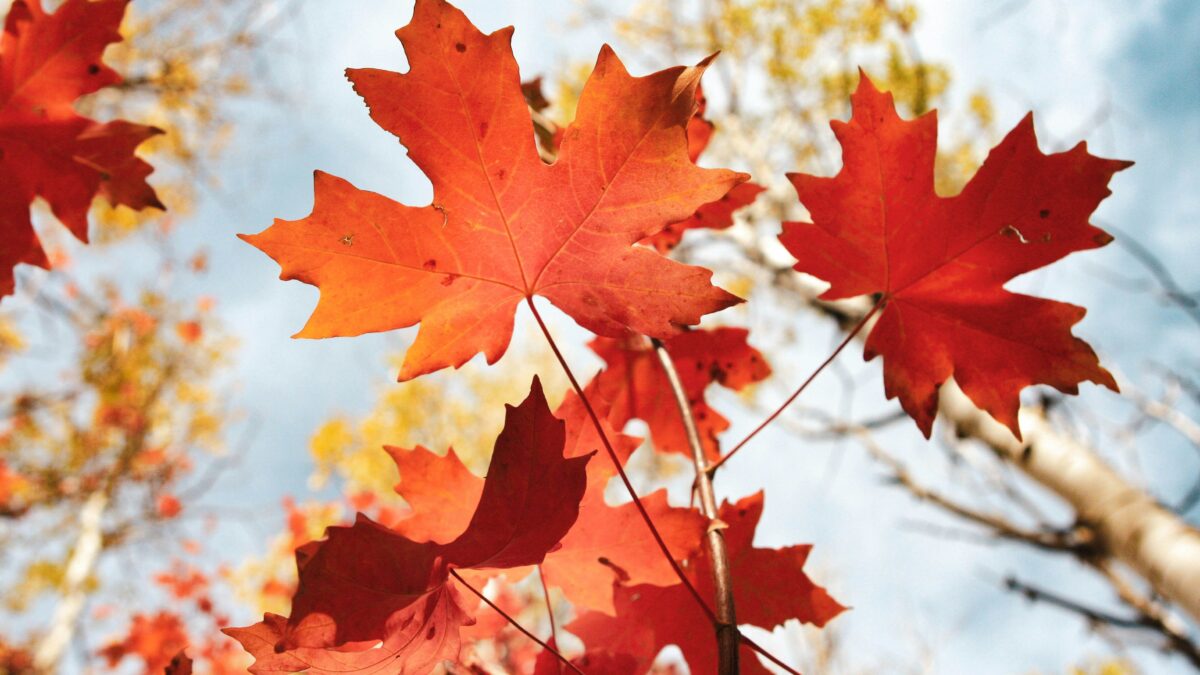
Acer saccharum, commonly known as the sugar maple, is a species of flowering tree in the soapberry family, Sapindaceae. Native to the hardwood forests of eastern Canada and the eastern United States, the sugar maple is best known as the primary source of maple syrup and for its striking autumn foliage. It is also referred to as rock maple, sugar tree, and sweet maple. When referencing its wood, terms such as hard maple, bird’s-eye maple, and curly maple are used, with the latter two describing distinctive grain patterns valued in fine lumber.
Sugar maples typically reach reproductive maturity at around 30 years of age and can live between 200 and 300 years. They thrive in cooler climates and require seasonal freezing to maintain their natural dormancy cycle. Alongside the black maple, sugar maple trees produce sap with the highest sugar concentration used for maple syrup production. While other maple species can be tapped, they generally yield sap with lower sugar content and inferior clarity.
Historically, Indigenous peoples such as the Mohegan tribe of Connecticut used sugar maple sap as a natural sweetener and medicine, including preparations from the inner bark to treat coughs. Maple syrup production expanded after the introduction of metal cookware by European settlers.
The wood of the sugar maple is highly prized for its strength, durability, and attractive grain. It is widely used in flooring, furniture, bowling alleys, basketball courts (including professional courts), baseball bats, and musical instruments such as violins, guitars, pianos, and drum shells. Although once commonly planted in urban environments due to its beauty and adaptability, sugar maple is now less favored in cities because of its sensitivity to pollution and road salt.
Beyond syrup production, sugar maple trees yield maple sap water, a naturally nutrient-rich liquid collected in early spring when trees draw water and minerals from the soil. The sap is gently sterilized to preserve its beneficial compounds while removing pathogens. Unlike maple syrup, which is concentrated to approximately 66% sugar, maple sap water contains only about 2% sugar and retains its mineral content, antioxidants, and bioactive compounds.
In skincare formulations, hydration effectiveness is closely linked to molecular size and absorption capacity. Maple sap water is valued as a base ingredient because its molecular structure allows for improved penetration compared to ordinary water, which the outer skin barrier largely repels. The smaller molecular composition of maple sap water more closely resembles bodily fluids, allowing it to hydrate the skin more efficiently and deliver nutrients into deeper layers.
Maple sap water contains a rich blend of amino acids, zinc, manganese, minerals, polyphenols, and over 40 bioactive compounds that support skin health. It is particularly high in manganese, an essential trace mineral involved in the formation of the antioxidant enzyme superoxide dismutase, which protects cells from oxidative stress. Research suggests that sap-based formulations may enhance skin cell regeneration, similar to findings observed with birch sap.
The antioxidant properties of maple sap water help neutralize free radicals, reduce inflammation, protect against environmental stressors such as UV radiation and pollution, and support collagen production. These effects contribute to improved skin elasticity, smoother texture, and a more youthful appearance. The presence of phytochemicals and polyphenols further enhances its ability to calm irritated skin and reduce blemishes.
Overall, sugar maple sap water is well tolerated and considered safe for daily use in skincare formulations, making it a valuable natural ingredient for hydration, antioxidant protection, and skin rejuvenation.