
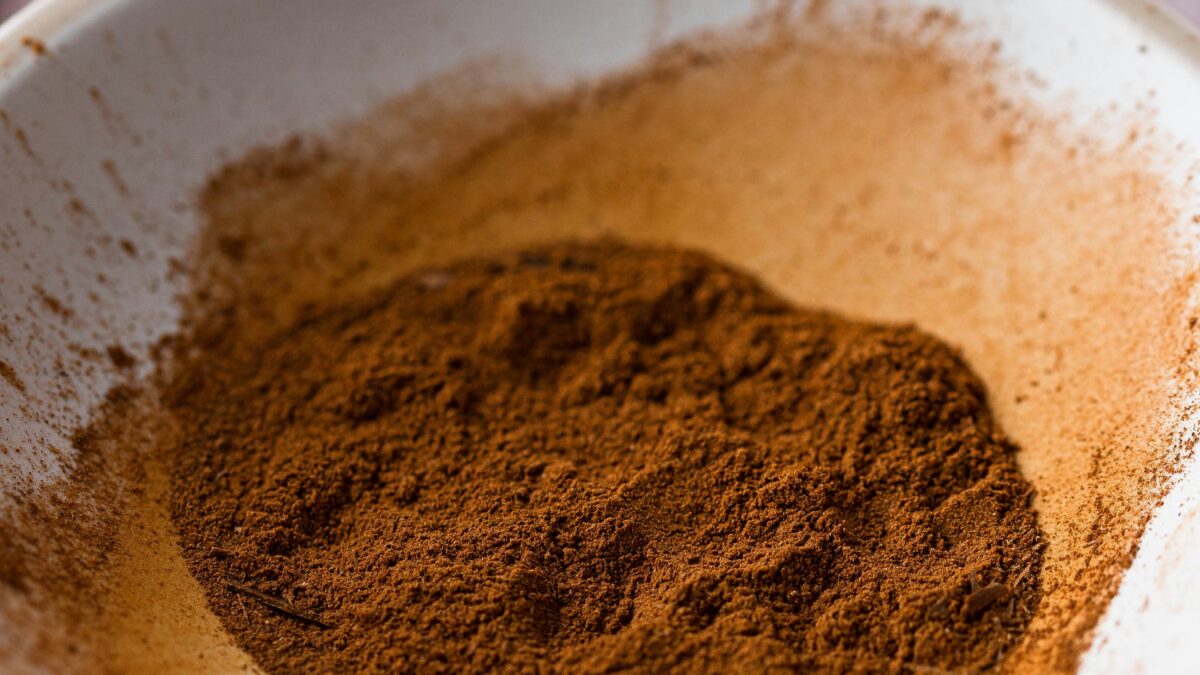
Cocoa beans are the dried, fully fermented seeds of Theobroma cacao, from which both cocoa solids and cocoa butter are derived. Indigenous to the Amazon rainforest, cocoa has been domesticated for over 5,300 years, with historical roots in ancient South American civilizations.
Once the fatty component—cocoa butter—is extracted from roasted and ground cocoa beans (known as chocolate liquor), the remaining material is processed into dry cocoa solids. The resulting cocoa powder retains trace amounts of cocoa butter. Natural cocoa powder is typically produced through the Broma process, in which cocoa fats are separated from the nibs, and the dry solids are finely ground into powder. This powder has a characteristic light brown color and a mildly acidic pH ranging from 5.3 to 5.8. Its acidity makes it chemically active when combined with baking soda, which is why it is commonly used in baking applications to create a leavening effect.
Beyond its culinary applications, cocoa has a long-standing history of medicinal and therapeutic use, dating back to the Aztec and Mayan civilizations. Today, cocoa powder is increasingly recognized for its dermatological benefits and is incorporated into a variety of skincare formulations.
Cocoa is notably rich in antioxidant flavonoids, particularly flavanols, which help neutralize free radicals responsible for oxidative stress and premature skin aging. These antioxidants support cellular repair from environmental aggressors such as UV radiation, pollution, and chemical exposure, enhancing blood circulation and encouraging the regeneration of healthier, more resilient skin.
A key compound found in cocoa is theobromine, a natural vasodilator that increases blood flow to the skin. Improved circulation promotes hydration, supports recovery from sun-induced damage, and contributes to a healthier, more youthful complexion.
Cocoa also contains a range of beneficial nutrients including vitamin C, magnesium, calcium, copper, phosphorus, potassium, sodium, and zinc. These vitamins and minerals contribute to skin repair, barrier function, and protection against external irritants. Additionally, omega-6 fatty acids present in cocoa assist in cellular healing and hydration, further improving skin texture and luminosity.
Topical application of cocoa-based products may also stimulate collagen synthesis, helping to maintain skin firmness and elasticity. It has shown promise in reducing scarring, particularly contracture scars, while hydrating and improving overall skin tone and texture. Masks and serums infused with cocoa powder may enhance blood flow, reduce signs of cellular breakdown, and leave the skin looking radiant and refreshed.
Cocoa powder is generally well-tolerated across all skin types, including sensitive skin, and is considered safe for daily topical use, provided the individual does not have a known allergy to the ingredient.